If you follow this blog, you know that my taste in food is pretty broad and some would say adventurous. Most things are not out-of-bounds to me for at least a try. This morning I found this article about the least liked foods in America. It is based on frequency of orders at Instacart. This research would not qualify in a peer based scientific paper, but it is interesting nonetheless. I put the link to their article below the graph, it has some interesting information.
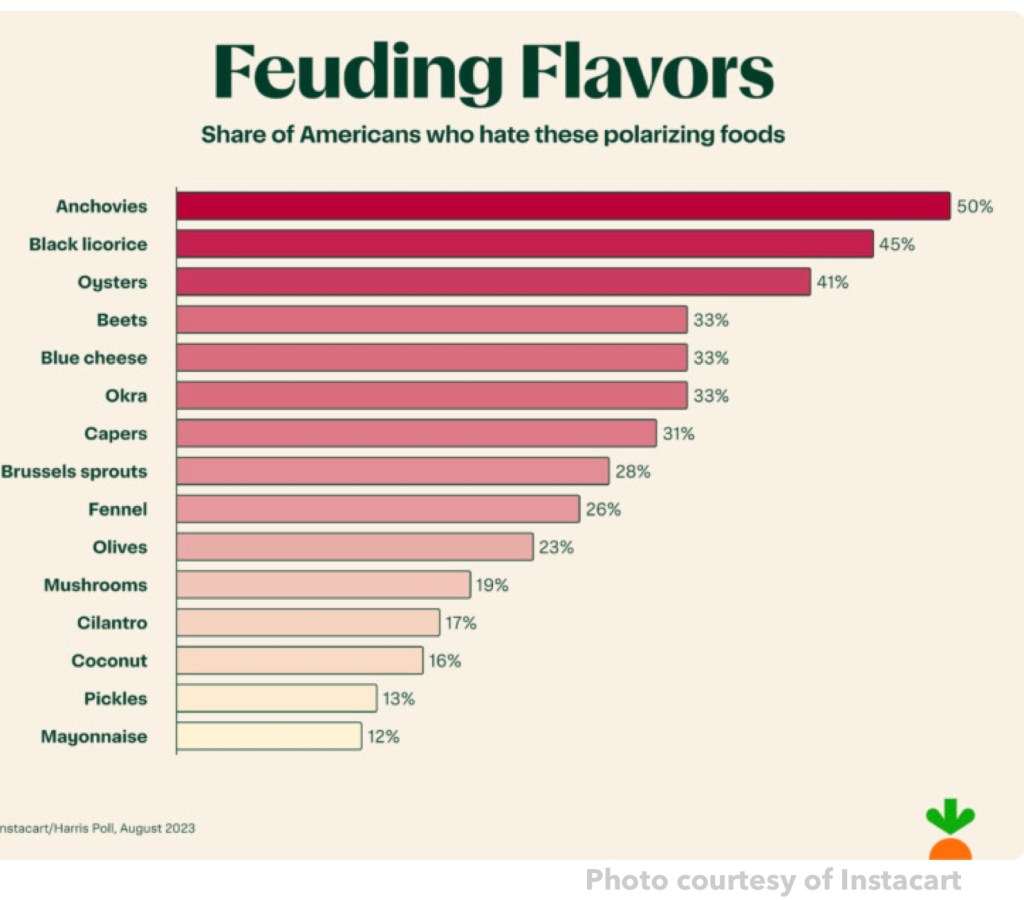
The first thing to know is that I like all fourteen of these, some more than others for sure, but none of these would be in any “hate” list I would make. Reading through this list I come to the conclusion that it may not be the foods themselves, but how they are prepared, or it might be which kind of the given item you have tried.
In the era that I grew up in, the 50s and 60s, cooking was pretty basic. As a general rule meat was cooked until it was well done, dry and stringy – any pink in the roast was considered life threatening. That style did get me to eat a lot of mashed potatoes, as it was all that would work to get a bite swallowed. Anything in the poultry category terrified moms and dads in those days, so it was likewise cooked to near destruction.
Vegetables were categorically boiled, turning a wonderful stalk of broccoli into some obscene gray paste – I have a friend who is scared for life and cannot be in the same room as broccoli to this day. I would recommend psychological counseling, but I doubt it would help.
So let me shed light on the first five of the items on their list. My conclusions are based on extensive research, well five minutes of internet searching and a lot of years of just eating, so this is iron-clad.
Anchovies
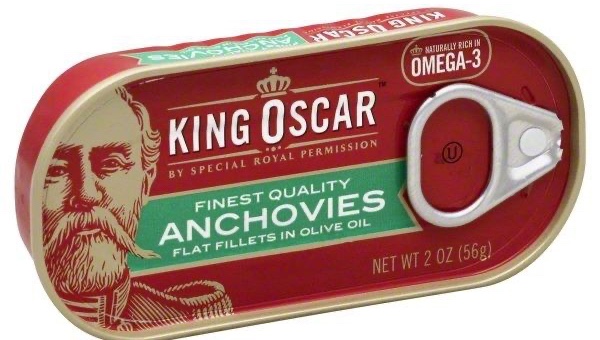
For most Americans their exposure to anchovies is from a flat can. These are packed in oil and quite salty. They are also the basis of Caesar salad dressing, and some use them on pizzas.
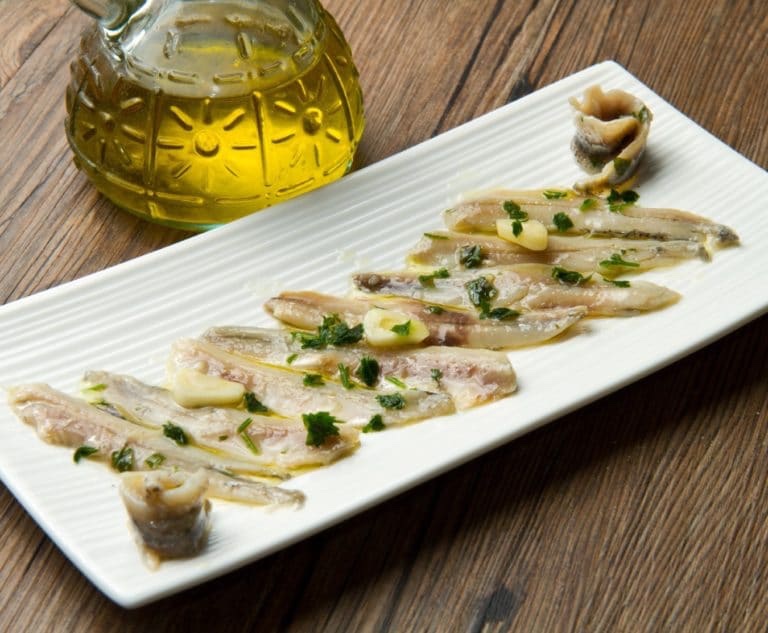
Though I enjoy them straight on a cracker or in a salad, I do get why the strong salty-fishy flavor puts some off. Thankfully for the poor anchovy fish there is more to them than this. Here is what the fish looks like – cute little things. They range from 2 to 40cm, and there are more than 140 species.
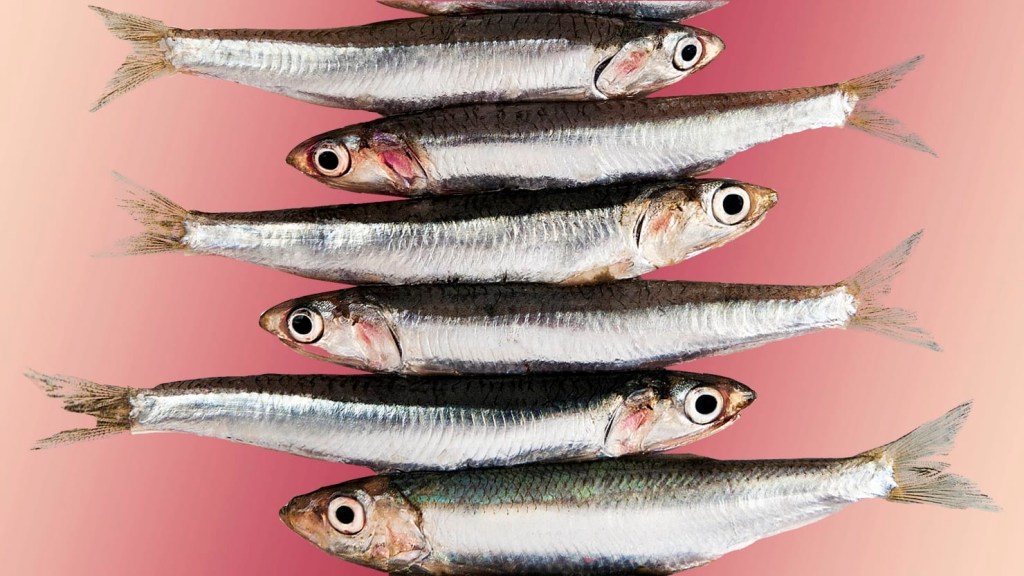

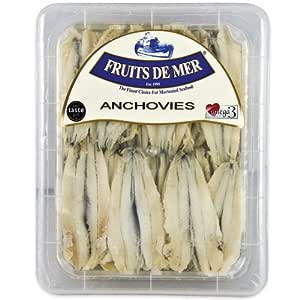
It is common here in Europe to see them fried or grilled as in the photo. White anchovies are common around the Mediterranean, none of the salty fish flavor of the canned. They make a wonderful appetizer.
Black Licorice
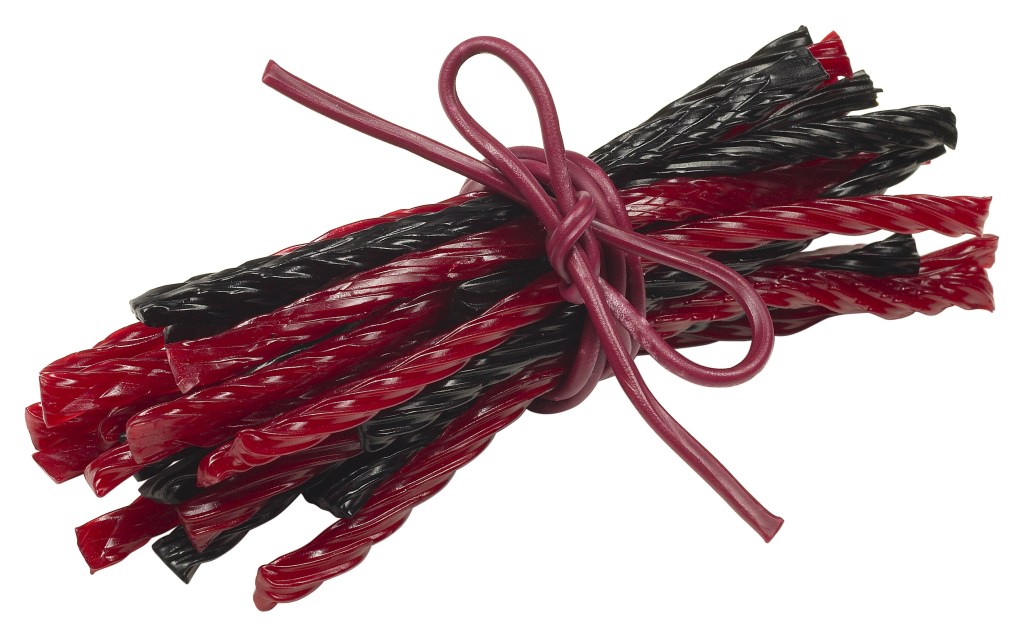
In my childhood red or black rope licorice was sold from a jar by the stick, usually for a penny, which made it a popular item, even though it was usually pretty dried out. Today, moister ropes are available, and Australian licorice is a treat – it is soft and chewy. According to Livestrong.com licorice in moderation is a good sweet snack, far superior to most other candies.

Oysters
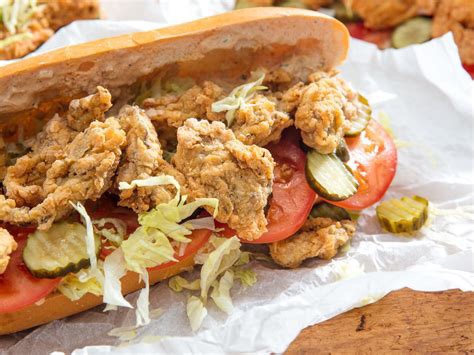
Of the top five on the list I can see this as the challenge for many people. For me, the best way to eat an oyster is raw on the shell, but I understand the squeamishness of some people – live, raw, and the texture. But that is not the only way to eat an oyster. Roasted in breadcrumbs as in Oyster Rockefeller, or in a chowder are quite different experiences. Even raw there are a variety of flavors, from mild to quite metallic. In Louisiana an oyster po’boy is a real treat.
Beets
There was a time in my life when I said that the only mistake God ever made was inventing beets. Over time I have learned that was based on my exposure to over-boiled muck.
First off learning that there are more than just red beets was an eye opener. Golden beets are quite a different taste, and roasted they are one of my favorites these days. Pickled red beets are pretty good in a salad; of course pickeling most anything makes it better. Mama Melina’s in Seattle makes a beet, walnut, and gorganzola salad that is quite good.

In addition to some actually great flavors, beets are anti-inflammatory, build up your immune system, good for your complexion, and boost energy, just to name a few of the benefits.
So like all of the others so far, our reaction is often tied to childhood experiences, and to a limited experience with varieties or preparations. Maybe you should do what I have done and give beets a second chance.
Blue Cheese
This would include Roquefort, the king of blue cheeses, gorgonzola, and a plethora of other cheeses with the distinctive blue mold. Only cheese from the region of Roquefort in France can use the name, all others are a form of blue cheese.
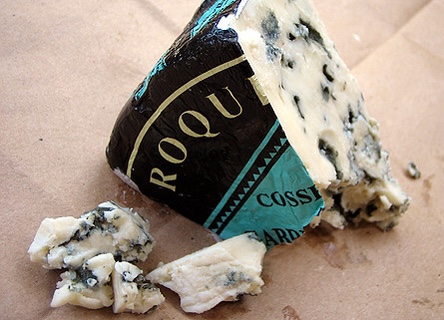
Blue cheeses vary in taste from very mild to strong, and from slightly sweet to salty or sharp; in colour from pale to dark; and in consistency from liquid or very soft to firm or hard.
Wikipedia
I love most any blue cheese, but if you aren’t a fan, maybe it is because you havent found the one you do like. The best salads have blue cheese crumbles sprinkled in, with a nice red-wine vinaigrette.
The rest of the items on the list might just surprise some people. Roasted Brussels sprouts are quite different from boiled, fried okra is not stringy, It is rare that Tricia and I boil anything, it takes out the flavors. Try steaming, or roasting instead, the results will be quite different and always better for you than boing out all the nutrition and flavor.
It is 11.00am as I write this, I am so glad it is getting close to lunchtime, all this thinking about food makes me hungry.
 theTravelsketcher
Interesting post, and as you know I love anything to do with food, nutrition and eating habits, so this was particularly interesting to me. I still don’t get carrots!
LikeLiked by 1 person
Food is on of the things that bind you and me together, we do love to eat. Thankfully, when you have carrots on the plate at a restaurant I get to have them, you are so generous.
LikeLiked by 1 person
There was definitely a lot of food fear among older generations, given that butchering (and other) conditions just weren’t as sanitary as they are now. But I don’t understand why veggies were boiled. Strange practice. I was raised in a largely French-Canadian kitchen (where my British mother learned how to cook), my father and uncles butchered their own meat and my tata taught me how to make the mother sauces, so I fortunately grew up with variety.
LikeLiked by 1 person
My grandmother was a good cook, she came out of the dus bowl in Nebraska, they were literally dirt poor. But she baked wonderful bread, and made “egg noodles” that I still mis to this day. At Christmas cookies were abundant. But it was limited in variety, I think due to the background of need. I had to learn most of my cooking on my own, but have done quite well, so maybe some of grandma is in my genes.
LikeLiked by 1 person
Some of best dishes in any culture have come out of the need to use every bit and make it stretch. Cassoulet is one of those. Sooo good.
LikeLiked by 1 person
Exactly, and they usually are far less meat heavy, thus better in so many ways. Though I do love cassoulet.
LikeLiked by 1 person
What an interesting post! You are so right that the preparation is everything. My mom was a 50s, 60s-era cook, like your mom, and her brussels sprouts made me gag. Now, I order charred brussels sprouts whenever I see them on the menu. You’re totally right about anchovies, too. I have come to love them when prepared well. Feeling pretty good about my palate. The only item on your list I don’t like is black licorice, and that, I must say, I hate, and all alcohol that tastes like it. A bottle of Sambuca will never darken my door.
LikeLike
I am not a huge alcohol or licorice person either, but the Australian is doable.
LikeLike